Two Hours Before Rest
Digital Boundaries
Consider reducing stimulating screen activity. Switch to reading, gentle stretching, or conversation rather than news or work-related tasks.
Discover informational guides about nighttime habits designed to help you transition from daily activity toward rest. All content is educational and non-clinical in nature.
Two Hours Before Rest
Consider reducing stimulating screen activity. Switch to reading, gentle stretching, or conversation rather than news or work-related tasks.
90 Minutes Before
Adjust room lighting to warmer tones. Prepare bedding and set the room temperature to a comfortable level based on personal preference.
60 Minutes Before
Engage in a calming practice such as light reading, gratitude journaling, or a brief breathing exercise sequence.
30 Minutes Before
Complete hygiene routines, apply any personal comfort measures, and settle into bed with minimal distractions.
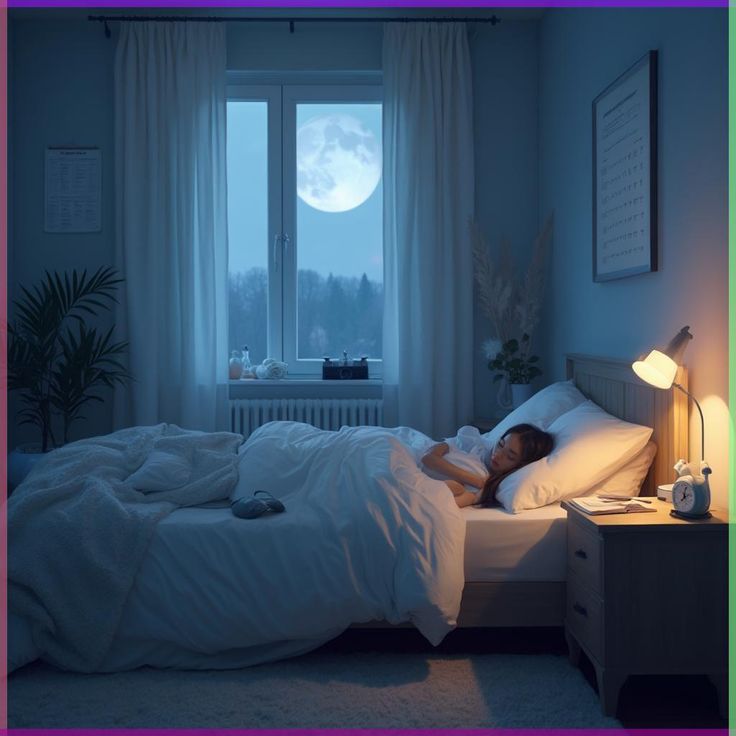
Gentle stretching, progressive muscle relaxation, and warm beverage preparation are common physical rituals. We describe each approach with step-by-step instructions suitable for beginners.
Mental decompression through journaling, intention-setting, or brief meditation can help separate daytime concerns from evening rest. Our prompts avoid triggering or anxiety-inducing topics.
Organizing your sleep space, managing light and sound, and selecting comfortable textiles contribute to a sense of readiness. We provide checklists for practical room adjustments.
Our educational program guides participants through three weeks of gradually introduced evening practices. Each day includes a brief reading, a suggested activity, and a reflection prompt. This is a non-medical wellness program focused on habit exploration.
Inquire About ProgramsSome individuals use lavender, chamomile, or unscented environments as part of their evening ritual. We discuss general aromatherapy concepts without endorsing specific products or making health claims.
The texture of bedding, sleepwear, and room surfaces can influence physical comfort. Our guides suggest evaluating these elements as part of a broader evening assessment rather than as isolated fixes.
From complete silence to nature sounds or soft instrumental music, auditory preferences vary widely. We provide frameworks for experimenting with different sound environments over several evenings to identify personal preferences.
Rather than overhauling your entire evening at once, consider introducing one change per week. Notice how each adjustment feels without judging outcomes. The goal is sustainable exploration, not a promised outcome.
Many wellness sources suggest limiting caffeine intake in the afternoon. Experiment with earlier cut-off times and observe how your evenings feel.
Designate the bedroom primarily for rest rather than work or entertainment to strengthen mental associations with sleep preparation.
Pair these night routines with our sleep guides for a broader understanding of rest preparation practices.
View Sleep GuidesImportant: Night routine content on this page is educational only. Cleansingclear is not a medical provider. Materials are not intended to diagnose, treat, cure, or prevent any condition. See our Terms of Use and Refund Policy for paid program details.